


SKU:PZN 04897760
Vitamin D3 Hevert
Couldn't load pickup availability
Description
Vitamin D3 Hevert 1000 IU supports bone health, immunity, and energy with stable, microencapsulated vitamin D. Ideal for all ages, from infancy to senior years.
Ingredients
- Colecalciferol
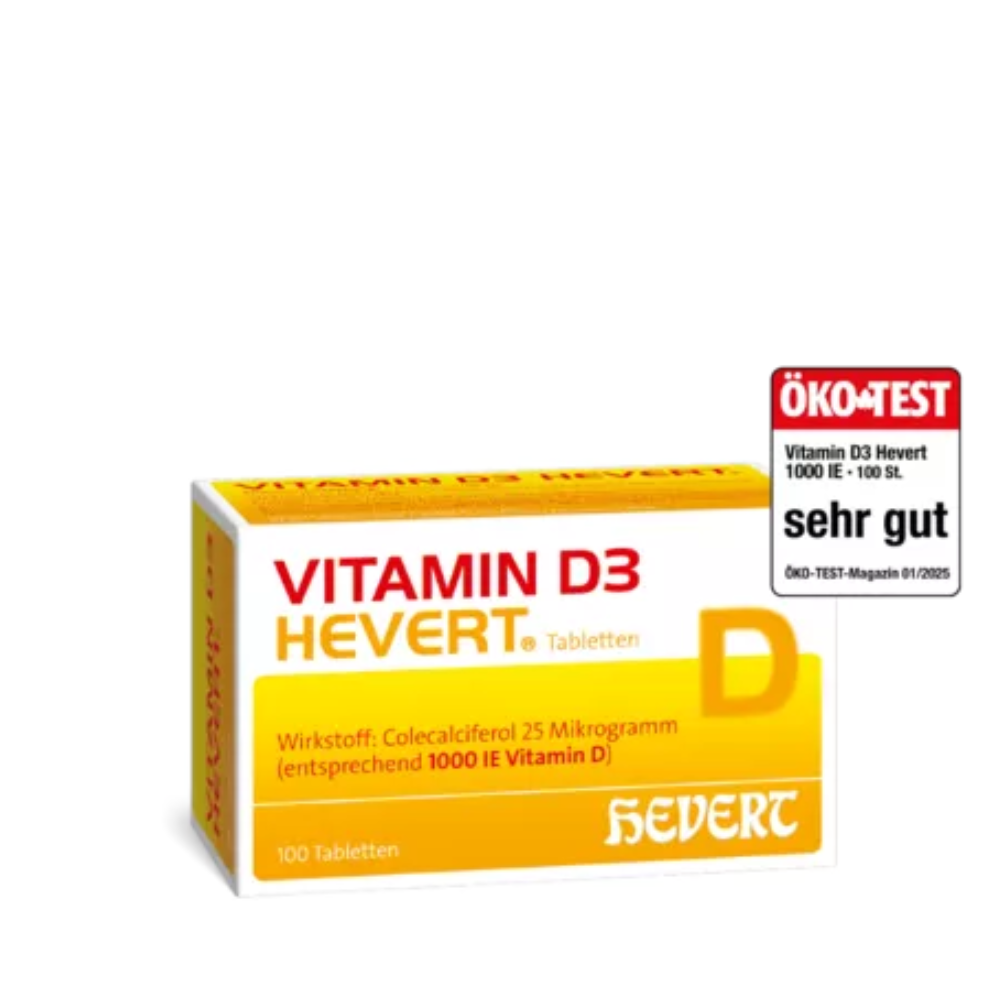
Vitamin D3 Hevert
Vitamin D3 Hevert – For Strong Bones, Immunity, and Vitality
A healthy level of vitamin D is essential for normal bone development, muscle strength, and a strong immune system. In children, a deficiency can cause rickets, while in adults it leads to osteomalacia (bone softening), and in older people, it increases the risk of osteoporosis. Deficiency in vitamin D is also linked to diabetes, cardiovascular diseases, increased susceptibility to infections, and even certain types of cancer. Experts recommend checking vitamin D levels regularly and supplementing when necessary.
Production and Nutrition:
Vitamin D is primarily formed in the skin via sunlight, with only small amounts absorbed through food. Office workers, people who avoid the sun, and anyone living in regions with low sunlight between October and April are particularly at risk. Vitamin D production also decreases significantly with age. As very few foods contain high levels of vitamin D, dietary intake is often insufficient.
How does Vitamin D3 Hevert work?
Daily intake of Vitamin D3 Hevert 1000 IU supports healthy bones, muscles, and immune function. When combined with a calcium-rich diet, it promotes bone development and helps prevent bone brittleness. This supplement is well tolerated and suitable even for infants and small children.
Microencapsulated Vitamin D3 – for maximum stability
Vitamin D3 Hevert uses microencapsulated cholecalciferol (vitamin D3), protected in tiny capsules that shield it from light, oxygen, and moisture – ensuring long shelf-life and high bioavailability.
Why daily intake is better
Vitamin D3 has a short half-life (approx. 24 hours) in the body. To maintain its full benefits, daily use is recommended.
- Contraindications
- Adverse Effects
- Mandatory information
Hypersensitivity to colecalciferol (vitamin D3), soy, peanut or any of the other ingredients. Hypercalcemia, hypercalciuria, hypervitaminosis D, kidney stones. Particular caution is required when taking vitamin D3 in the case of a tendency to form calcium-containing kidney stones, treatment with benzothiadiazine derivatives, severely restricted mobility, sarcoidosis and pseudohypoparathyroidism (parathyroid hormone imbalance). Use during pregnancy: During pregnancy, Vitamin D3 Hevert should only be taken according to strict indications and only in doses that are absolutely necessary to correct the deficiency. Overdoses of vitamin D during pregnancy must be prevented, as prolonged hypercalcemia can lead to physical and mental disability as well as congenital heart and eye diseases in the child.
Hypercalcemia and hypercalciuria. Gastrointestinal complaints such as constipation, flatulence, nausea, abdominal pain or diarrhea. Hypersensitivity reactions such as itching, skin rash or hives. Very rare allergic reactions to soybean oil.
Vitamin D3 Hevert (1000 IU) Indications: For the prevention of a recognizable risk of vitamin D deficiency in otherwise healthy people without absorption disorders, for the supportive treatment of osteoporosis, for the prevention of rickets, also in premature babies. For risks and side effects, read the package leaflet and ask your doctor or pharmacist.
Unless otherwise prescribed, the following dosage is recommended: Take ½ tablet daily as a preventive measure if there is a recognizable risk of vitamin D deficiency. For the supportive treatment of osteoporosis 1 tablet daily. To prevent rickets, take ½ tablet daily, 1 tablet daily for premature babies. The tablets should be taken with sufficient liquid. During long-term treatment with vitamin D3, blood and urine calcium levels should be checked and kidney function monitored by measuring serum creatinine. This is particularly important in elderly patients and those receiving concomitant treatment with cardiac glycosides or diuretics. Dose reduction or interruption is recommended if the urinary calcium level exceeds 7.5 mmol/24 h. The tablets have a score line for splitting in half.
Phenytoin, barbiturates, glucocorticoids, rifampicin, isoniazid, colestyramine and laxatives with liquid kerosene can impair the effect of vitamin D3. The effects/side effects of vitamin D3 can be enhanced by vitamin D metabolites or analogs (e.g. calcitriol) and thiazide diuretics. The risk of cardiac arrhythmia may increase when taking cardiac glycosides.